Vols vers Tokyo
Les vols vers Tokyo (TYO) démarrent actuellement à 375 €. Comparez les prix en direct et réservez sur le site partenaire.
Trajets en tendance en ce moment
Trajets populaires vers Tokyo
Vols les plus recherchés vers TYO.
Mois le moins cher pour voler vers Tokyo
Long-haul fares to Tokyo tend to dip in the low season (often the wetter or off-peak months locally), away from the December–January and summer peaks.
Quand réserver un vol vers Tokyo
For a long-haul trip to Tokyo, 3–5 months ahead generally gives the best spread of fares; last-minute long-haul rarely pays off.
Compagnies desservant Tokyo
Tokyo est généralement desservie par des compagnies comme Japan Airlines, ANA and Air France, entre autres.
- Japan Airlines
- ANA
- Air France
Aéroports desservant Tokyo
Les aéroports qui composent la zone métropolitaine de cette ville.
- HNDTokyo Haneda
- NRTTokyo Narita
Villes proches de Tokyo
D’autres destinations à envisager — comparez les tarifs si vos plans sont flexibles.
Suivez les tarifs vers Tokyo
Les prix changent souvent. Nous vous préviendrons par e-mail dès qu’un tarif vers Tokyo baisse.
Tokyo: an introduction
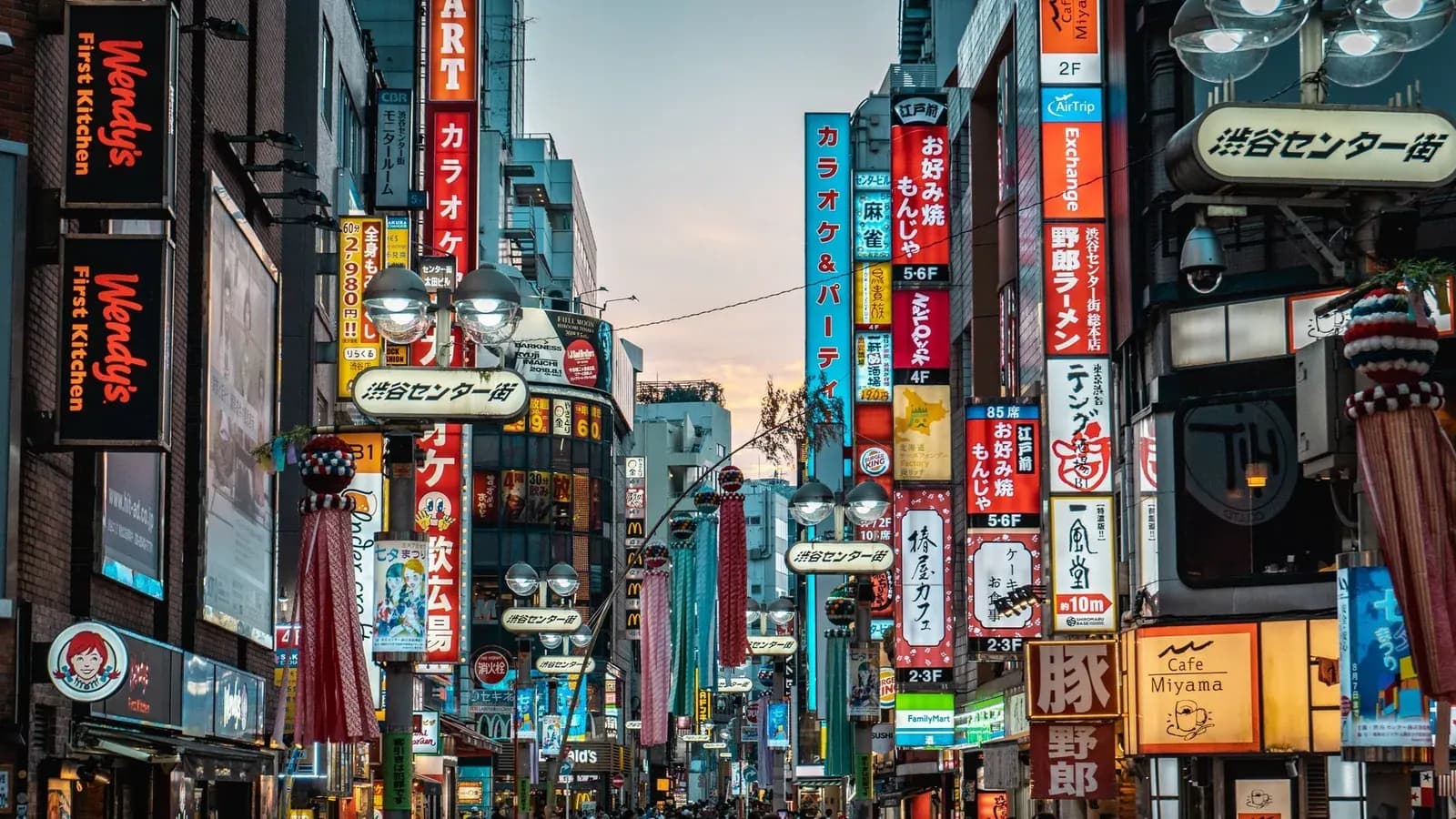
Tokyo, Japan, is a vast, hyper-organised metropolis where centuries-old shrines sit beside neon districts and bullet-train precision. It is a destination with a strong sense of place, and first-time visitors quickly find that Tokyo rewards curiosity — the more you wander, the more it opens up. Most trips centre on a handful of distinct areas: the crossing and shopping of Shibuya, the youth fashion of Harajuku, historic Asakusa, the upscale Ginza and the electronics of Akihabara each give the city a different rhythm, and moving between them is half the pleasure of being here.
Arriving through Haneda (HND) and Narita (NRT), you step into a place where the local currency is the Japanese yen (JPY), and where the texture of daily life — the markets, the food, the way people get around — is as much the attraction as any single landmark. This guide covers when to come, what Tokyo is known for, what to budget, and how to book your flights well, so you arrive with a clear picture rather than a generic checklist.
Why visit Tokyo
People travel to Tokyo for the Senso-ji temple in Asakusa, the Shibuya Scramble crossing, world-class sushi and ramen and day trips to Mount Fuji and Nikko — and those headline draws are only the starting point. What makes Tokyo memorable is how those experiences sit within the everyday life of the city: you can spend a morning at its best-known sights and an afternoon simply absorbing a neighbourhood like the crossing and shopping of Shibuya.
Because Tokyo is a higher-cost destination, it suits a range of travellers — whether you are building a trip around its culture and food or using it as a base to explore further afield. If you only do one thing, eat conveyor-belt sushi, a proper bowl of ramen, and pick up a bento or onigiri from a konbini for a cheap, genuinely good meal captures the character of Tokyo better than any monument alone.
Best time to visit Tokyo
The sweet spot for Tokyo is late March to April for cherry blossom and October to November for clear skies and autumn colour. Travelling in this window means you experience the city close to its best — comfortable conditions for exploring the crossing and shopping of Shibuya and the wider area, and a calmer feel than the busiest weeks. If your dates are flexible, aim squarely for this period.
The season to approach with caution is the rainy season in June and the typhoon-prone, humid peak of July–August. It is not that Tokyo is closed for business then — far from it — but conditions and crowds work against you, so if you must travel at that time, plan indoor options and book accommodation early. The shoulder weeks on either side of the peak often give you most of the upside with fewer of the downsides.
Tokyo weather and what to pack
Tokyo has a humid subtropical climate — hot, sticky summers, crisp dry winters, and two celebrated transition seasons. Understanding that pattern is the key to packing well: the city feels very different across the year, and the right clothing makes the difference between enjoying a day out and cutting it short. Plan around late March to April for cherry blossom and October to November for clear skies and autumn colour for the most reliable conditions.
Whatever month you choose for Tokyo, pack for the specific season rather than a generic suitcase — layers you can add or shed, sun protection where the climate calls for it, and something for the evenings, which can feel different from the middle of the day. Checking the local forecast a few days before you fly lets you fine-tune for Tokyo rather than guessing.
Budget expectations in Tokyo
In Tokyo, expect premium but surprisingly flexible — flights and hotels run high, yet convenience-store meals, ramen and metro travel are excellent value day to day. Setting that expectation before you arrive helps you plan a trip that fits your style, because the gap between a budget day and a splurge day in Tokyo can be wide depending on where you eat, sleep and shop.
A practical approach in Tokyo is to mix high and low: pair a memorable meal or experience with simpler, local choices the rest of the time. Eat conveyor-belt sushi, a proper bowl of ramen, and pick up a bento or onigiri from a konbini for a cheap, genuinely good meal — the kind of everyday spending that keeps a trip affordable without missing what makes Tokyo special. Carrying some local JPY cash alongside a card covers you where smaller vendors do not take payment electronically.
Getting to and from Haneda (HND) and Narita (NRT)
Tokyo is served by Haneda (HND) and Narita (NRT). The single most useful arrival tip: flying into Haneda puts you far closer to central Tokyo than Narita; from Narita budget for the Skyliner or N’EX train rather than a very expensive taxi. Sorting your airport-to-city plan before you land removes the most common first-hour stress of a trip to Tokyo.
On departure, give yourself margin at HND — allow for the journey back out, check-in and security, especially at peak times. Knowing in advance how you will get to and from the airport is part of a smooth Tokyo trip, and it is worth confirming the route and rough cost the day before you fly out.
Practical travel advice for Tokyo
A few habits make Tokyo far easier to navigate: get a Suica/Pasmo IC card on arrival for trains and shops, carry some cash (many small places are cash-only), and stand left on Tokyo escalators. These are the small, local details that separate a smooth visit from a frustrating one, and they are specific to how Tokyo actually works rather than generic travel platitudes.
Beyond the practicalities, give Tokyo time to reveal itself. The best moments here often come from slowing down in one area — the crossing and shopping of Shibuya and the youth fashion of Harajuku reward unhurried exploration — rather than racing between sights. Treat the highlights as anchors and let the gaps between them fill with the ordinary, everyday Tokyo that most visitors remember most fondly.
How to book flights to Tokyo
For flights to Tokyo, the strongest strategy is to line your dates up with late March to April for cherry blossom and October to November for clear skies and autumn colour where you can, then watch fares early rather than leaving the booking to the last minute. Demand for Tokyo firms up around its popular season, so the best fares tend to go to travellers who track the route and book when a good price appears rather than hoping for a late drop.
Set a price alert for your route into HND and let it watch the fare for you — prices to Tokyo move often enough that catching a dip beats trying to time the market by hand. Comparing a few departure days around your ideal date, and staying open on which nearby airport you use where Tokyo has more than one, usually surfaces a meaningfully better fare. We only ever show real, live prices for Tokyo, so the figure you see reflects what partners are genuinely quoting.